For the first time in history, the UK produces more electricity from wind turbines than from gas
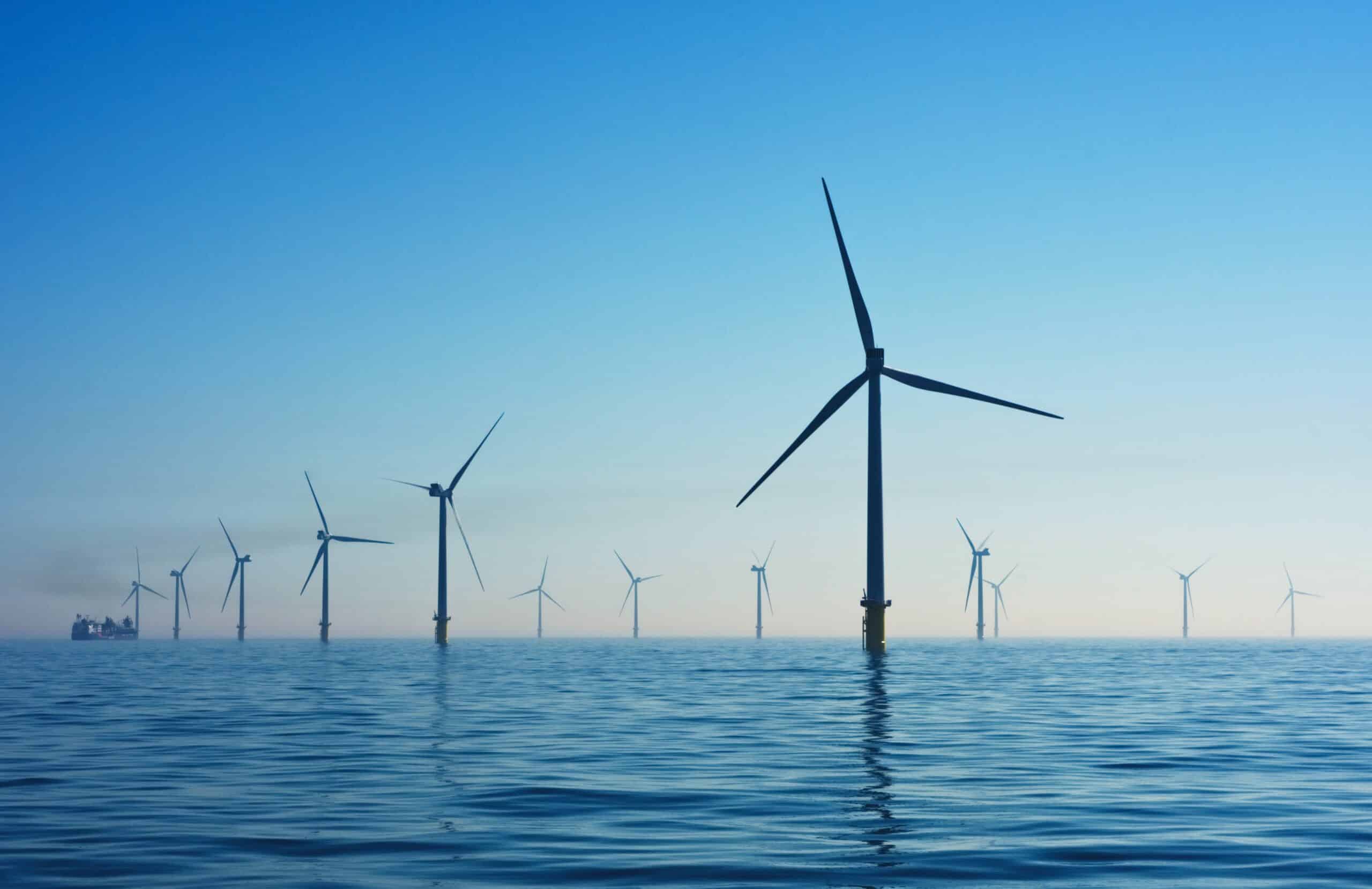
According to a report by Imperial College London, British wind farms surpassed gas power plants in electricity generation during the first quarter of 2023. The report, commissioned by energy producer Drax as part of Drax Electric Insights, marks another significant stride towards achieving net zero emissions by the UK by 2050. A key aspect of this strategy involves reducing dependence on imported conventional energy sources.
In the first quarter of 2023, wind farms contributed nearly a third (32.4%) of the UK’s electricity, marking a 3% increase from the same period in 2022. Meanwhile, gas power plants accounted for 31.7% of electricity generation, a 5% decrease compared to the previous year.
Renewable energy sources, including wind, solar, biomass, and hydro, collectively provided almost 42% of the UK’s electricity in the same period. Nuclear power also plays a significant role in the British energy mix.
The UK government’s commitment to green energy transformation is evident in its substantial investments. In 2021, the government announced a GBP 92 million investment to support innovation in energy storage, floating wind farms, and biomass production. These investments are yielding tangible results, as evidenced by the growing share of renewable energy in the national energy mix.
With one of the largest offshore wind resources globally, representing over 1/3 of the entire European potential, the UK is poised to expand its renewable energy capacity further. By 2030, it is projected to reach a total installed wind turbine capacity of 40 GW.
For more details on British investments in green energy and storage, you can refer to our article titled “UK invests GBP 92 million in green energy.”
Leave a Reply